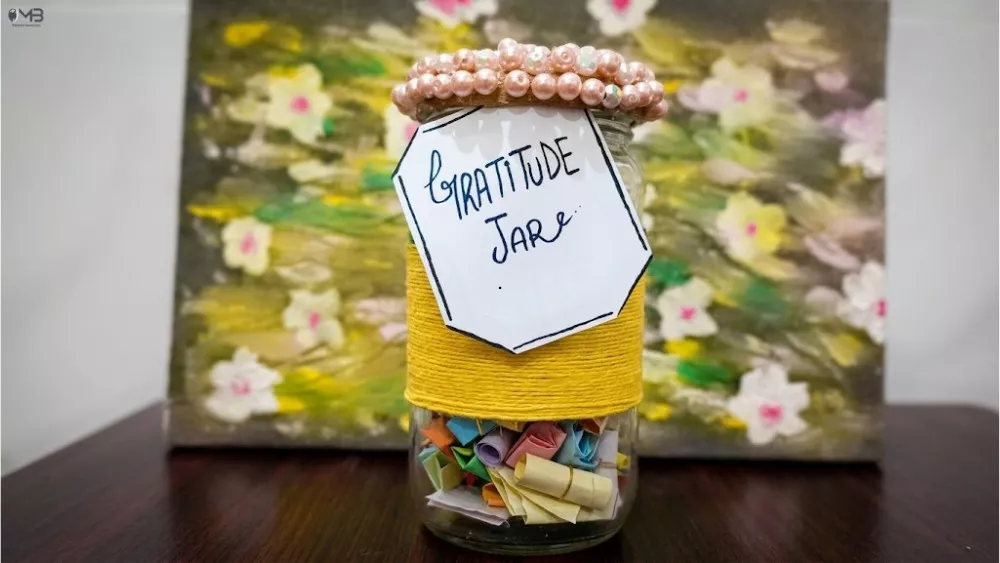
Life has a way of pulling our attention toward what’s going wrong. We worry about deadlines, unexpected bills, difficult conversations, or goals we haven’t reached yet. Before we know it, we’ve overlooked the small moments that quietly make life beautiful a kind smile from a stranger, a warm cup of coffee, a peaceful sunset, or a laugh shared with someone we love.
A gratitude jar is one of the simplest ways I’ve found to slow down and notice those moments again.
Growing up, my family kept a decorated glass jar on a shelf in our living room. Every evening, we’d write one thing we were grateful for on a small piece of paper and drop it inside. Some notes were meaningful, while others were wonderfully ordinary: “Dad made pancakes today,” or “I played outside with my best friend.” On New Year’s Eve, we’d empty the jar and read every note together. It reminded us how many joyful moments we’d forgotten during the year.
That simple tradition taught me something I’ll never forget: happiness isn’t always about having more it’s about noticing more.
Whether you’re starting this practice for yourself, your family, your classroom, or your partner, this guide will show you exactly how to create a gratitude jar that you’ll actually enjoy using.
What Is a Gratitude Jar?
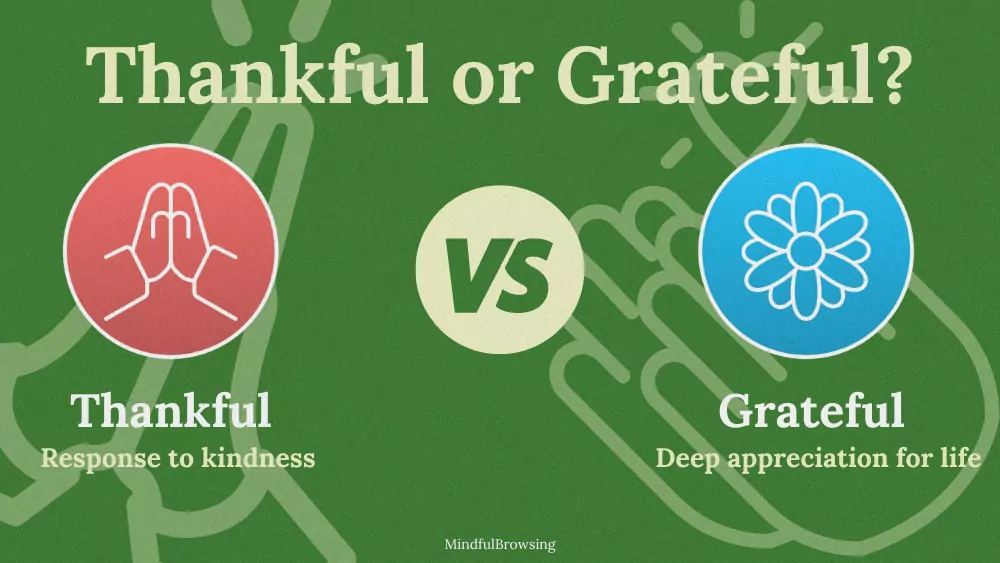
A gratitude jar is a container where you regularly place handwritten notes describing things you’re thankful for. (You’ll notice I use thankful and grateful somewhat interchangeably here there’s actually a subtle difference between the two, though for the purposes of this jar, both feelings count.) Over days, weeks, or months, the jar fills with positive memories, meaningful experiences, and everyday blessings that you can revisit whenever you need encouragement.
Unlike scrolling through old photos or social media posts, a gratitude jar captures how you felt in the moment. Every note becomes a reminder that even difficult seasons contain moments worth appreciating.
People often use gratitude jars to:
- Practice mindfulness
- Reduce negative thinking
- Build a daily gratitude habit
- Strengthen family relationships
- Celebrate personal achievements
- Create meaningful traditions
The best part? There are no rules. Your gratitude jar can be as simple or as creative as you’d like it’s just one small, tangible way of building a broader attitude of gratitude that starts to shape how you see everything else.
Why Does a Gratitude Jar Work?
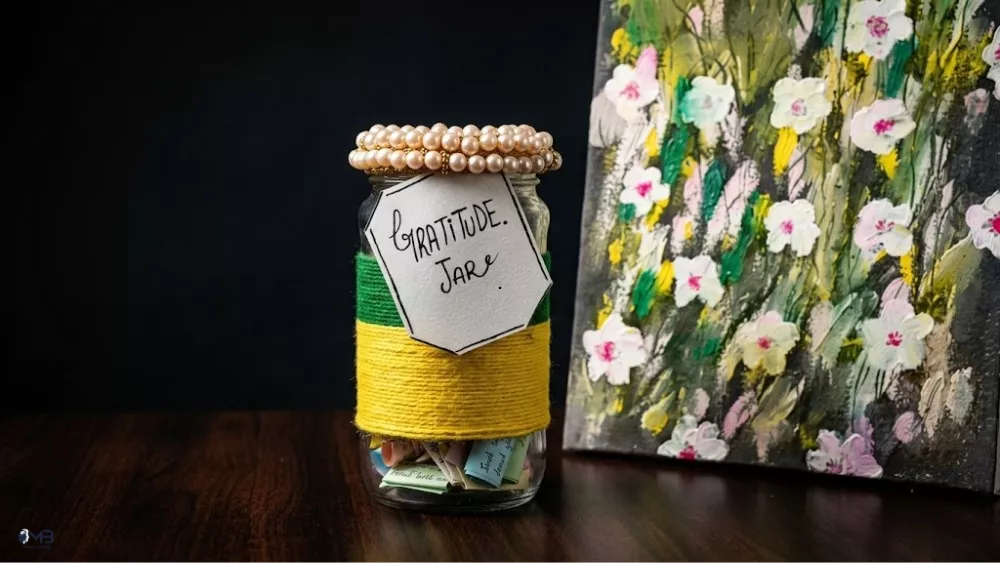
Gratitude isn’t just a nice idea it’s a habit that changes how we pay attention.
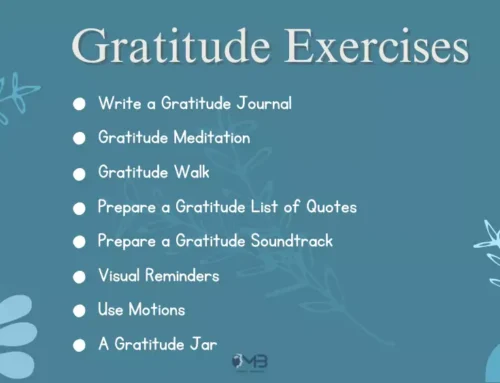
When you intentionally look for something positive each day, your brain gradually becomes better at recognizing good experiences instead of focusing only on problems. A gratitude jar is really just one of many simple gratitude exercises that work this way the format changes, but the underlying habit of noticing is always the same.
Research in positive psychology has found that regularly practicing gratitude may help:
- Improve overall mood
- Reduce stress
- Increase optimism
- Strengthen relationships/friendship
- Encourage better sleep
- Build emotional resilience during difficult times
While a gratitude jar won’t eliminate life’s challenges, it can help you respond to them with a healthier perspective. For an even stronger effect, many people pair the practice with a short gratitude meditation or one of the best gratitude apps. Spending a few quiet minutes reflecting before you write in your gratitude journal can help the moment you’re grateful for actually sink in, rather than becoming just another line on a piece of paper.
What You’ll Need
One reason gratitude jars are so popular is because they’re inexpensive and easy to make.
Materials
- A mason jar, glass jar, wooden box, or decorative container
- Small pieces of paper or colorful note cards
- Pens, markers, or pencils
- Stickers, ribbon, paint, or labels (optional)
- A quiet place where you’ll see it every day
Time Required: 10–15 minutes
Difficulty: Easy
Estimated Cost: Under $10 if you’re buying supplies.
How to Make a Gratitude Jar in 6 Simple Steps
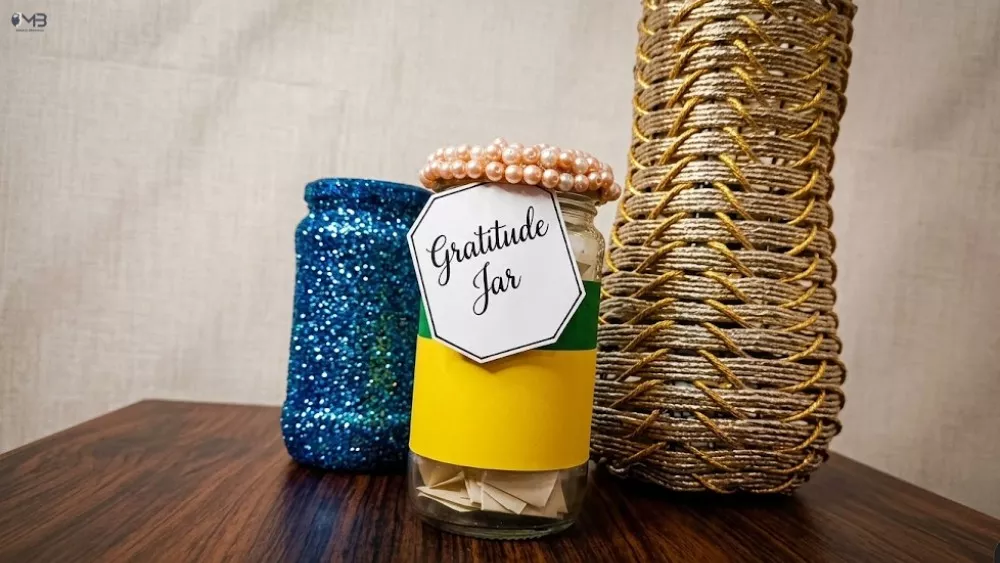
1. Choose Your Jar
Pick any container that makes you smile.
It doesn’t have to be fancy. An old mason jar, cookie jar, coffee tin, or even a small wooden box works perfectly.
The important thing is choosing something you’ll enjoy seeing every day.
2. Decorate It
This is where you can make it personal.
You might add:
- Inspirational quotes
- Family photos
- Stickers
- Washi tape
- Ribbons
- Paint
- Seasonal decorations
Children especially love decorating their own gratitude jars because it gives them ownership of the habit. If you’re stuck on what to write on the outside, a few mindfulness gratitude quotes tucked around the lid or base can make the jar feel finished before you’ve even dropped in the first note.
3. Prepare Your Gratitude Notes
Cut colorful paper into small squares or use sticky notes.
Keep a small stack beside the jar so writing a note only takes a minute.
Sometimes removing tiny obstacles is all it takes to build a lasting habit.
4. Place It Somewhere You’ll Notice
Your gratitude jar shouldn’t be hidden in a cabinet.
Place it somewhere visible, such as:
- Your bedside table
- Kitchen counter
- Office desk
- Living room shelf
- Entryway table
Seeing it every day serves as a gentle reminder to pause and reflect.
5. Write One Thing You’re Thankful For
Don’t overthink it.
Some days you’ll write something life-changing.
Other days it might simply be:
“The weather was beautiful.”
Both belong in your gratitude jar.
Gratitude grows through consistency not perfection.
6. Read the Notes Together
Choose a special occasion to open your jar.
Many families do this:
- New Year’s Eve
- Birthdays
- Thanksgiving
- Christmas
- Anniversaries
- End of the school year
Reading forgotten memories months later often becomes the most meaningful part of the entire tradition and watching the jar fill up over the year is a bit like watching a gratitude tree grow: slow, quiet, and easy to miss day to day, until suddenly the branches are everywhere you look.
50 Gratitude Jar Ideas
If you’re unsure what to write, try one of these prompts or browse this longer gratitude list whenever you want fresh ones.
Everyday Life
- A meal I enjoyed today
- Someone who smiled at me
- A beautiful sunset
- Fresh air during my walk
- A relaxing cup of tea
- Clean water
- Comfortable clothes
- My favorite book
- Music that lifted my mood
- A peaceful morning
Personal Growth
- A challenge I overcame
- Something new I learned
- A mistake that taught me something
- A goal I accomplished
- A fear I faced
- A healthy habit I started
- A compliment I received
- Something I did that made me proud
- A lesson from today
- Progress I’ve made
Family & Friends
- A funny conversation
- Family dinner together
- Someone I dreamed about
- Time spent with my children
- My parents’ support
- Exercise with kids
- My best friend’s kindness
- A meaningful phone call
- A shared laugh
- Someone who forgave me
Nature
- Birds singing outside
- Rain on the windows
- A blooming flower
- A walk in the park
- Ocean waves
- Mountain views
- A bright full moon
- Autumn leaves
- Sunshine after rain
- Fresh morning air
Little Joys
- Finishing a good book
- My pet greeting me
- Coloring Pages with kids
- A delicious dessert
- Finding extra time to relax
- A cozy blanket
- Completing a workout
- Watching a funny movie
- A quiet evening
- Simply being alive today
Creative Gratitude Jar Ideas
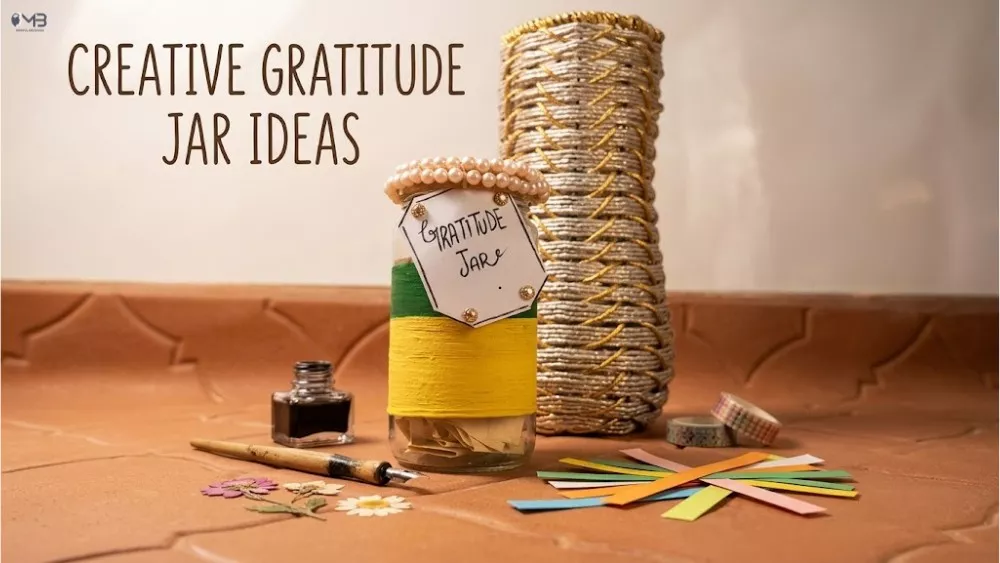
Once you’ve built the habit, you can customize your gratitude jar for different occasions.
1. Family Gratitude Jar
Have every family member add one note each day.
Reading them together creates beautiful conversations and lasting memories.
2. Kids’ Gratitude Jar
Encourage children to draw pictures instead of writing if they’re too young.
This helps teach appreciation from an early age. It’s also a wonderful activity for solo parents a simple, low-pressure way to spend a few focused minutes together each evening and gently teach thankfulness, contentment, and happiness without it feeling like a lesson.
3. Couples Gratitude Jar
Leave notes about each other throughout the year.
Open the jar on your anniversary and read them together.
4. Classroom Gratitude Jar
Students can anonymously write kind messages or positive experiences.
It’s a wonderful way to build a supportive classroom environment.
5. Office Gratitude Jar
Coworkers can recognize helpful teammates or celebrate workplace wins.
Small acknowledgments often boost morale more than people realize.
6. Holiday Gratitude Jar
Create one during Thanksgiving or December and fill it throughout the season before reading everything on New Year’s Eve.
What Can You Put Inside a Gratitude Jar?
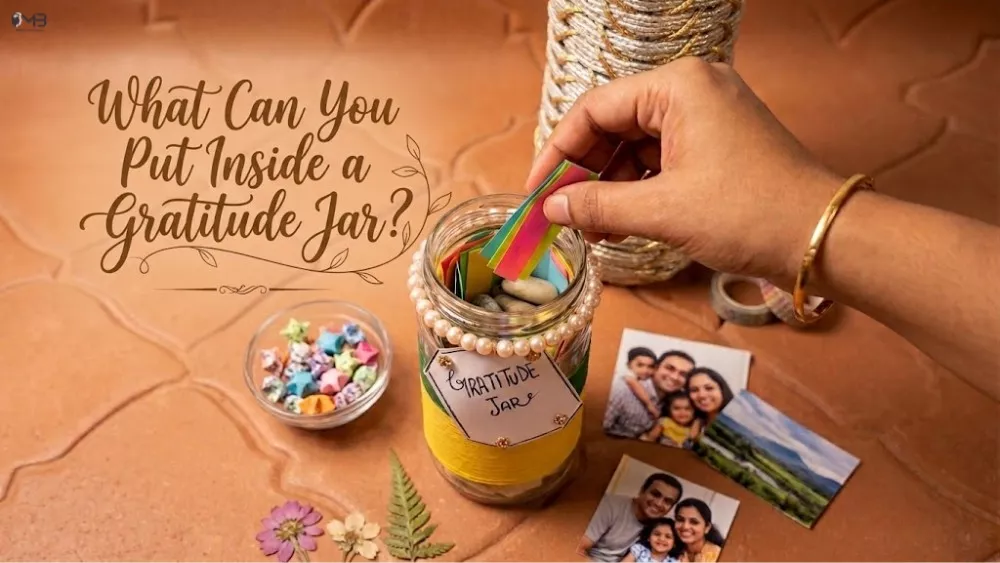
Gratitude jars don’t have to contain only written notes.
You can also include:
- Photos
- Ticket stubs
- Postcards
- Pressed flowers
- Children’s drawings
- Inspirational quotes
- Small souvenirs
- Travel memories
- Kind letters
- Positive affirmations
These little keepsakes help tell the story of your year. A few gratitude affirmations mixed in with your own notes work especially well they read almost like little love letters from your past self when you rediscover them later.
Gratitude Jar vs. Gratitude Journal
Both practices encourage appreciation, but they offer different experiences.
| Gratitude Jar | Gratitude Journal |
|---|---|
| Short notes | Longer reflections |
| Visual and interactive | Private writing |
| Great for families | Great for personal reflection |
| Fun to open later | Easy to review daily |
| Encourages creativity | Encourages deeper thinking |
Many people enjoy using both together, jotting the short version in the jar, then turning to a few gratitude journal prompts on the days they have more to say.
Tips to Make Your Gratitude Jar a Daily Habit
Like any habit, consistency matters more than perfection.
Here are a few ideas that make it easier:
- Write one note before bed each evening.
- Keep paper and pens beside the jar.
- Set a gentle reminder on your phone.
- Don’t skip writing because nothing “big” happened.
- Celebrate ordinary moments.
- Invite your family or friends to join you.
- If you want the feeling to linger a little longer, sit with it for a minute before you write that’s really all gratitude meditation is.
Remember, the smallest moments often become the most meaningful memories.
Frequently Asked Questions
Daily is ideal, but even writing two or three times a week can help build a lasting gratitude habit.
Even difficult days usually contain one small bright spot.
It could be a supportive friend, a warm meal, your favorite song, or simply making it through the day.
Absolutely. Young children can draw pictures while older children can write simple sentences about what made them happy. It’s also a lovely one-on-one ritual for solo parents to share with their kids.
Many people open it at the end of the year, but birthdays, anniversaries, holidays, or the end of each month also make wonderful occasions.
Yes. While handwritten notes often feel more personal, you can also save gratitude notes in a notes app or spreadsheet if that’s more convenient.
Neither is better they simply suit different personalities. A gratitude jar feels more interactive and works especially well for families, while a journal allows for deeper reflection.
Final Thoughts
A gratitude jar isn’t about pretending life is perfect.
There will still be stressful days, unexpected disappointments, and moments when gratitude feels difficult. But that’s exactly why this simple practice matters.
Every note reminds you that even during challenging seasons, there are still reasons to smile, people who care, lessons worth learning, and moments that deserve to be remembered.
Years from now, your gratitude jar won’t just be filled with pieces of paper; it will hold snapshots of your life, captured in your own handwriting. My own family’s jar still comes out every New Year’s Eve, and every year the notes we’d completely forgotten writing turn out to be the ones that mean the most.
So grab a jar, write your first note today, and let your future self rediscover all the beautiful moments that might otherwise have been forgotten.
About the Author: Muhammad Moazzan