Some days make gratitude feel easy. Other days, it feels almost impossible. When life is heavy, being grateful does not mean pretending everything is fine. It means learning to notice what is still steady, kind, useful, or meaningful, even while life is imperfect.
An attitude of gratitude is not forced positivity. It is a practiced way of paying attention. You train your mind to see what is present, not only what is missing.
Summary
What Is an Attitude of Gratitude?
An attitude of gratitude is the habit of noticing, appreciating, and responding to the good in your life, even when things are not perfect. It does not mean ignoring pain, stress, or disappointment. It means making room for appreciation alongside real life. You can develop it through small daily practices such as writing in a gratitude journal, thanking people directly, noticing ordinary comforts, reflecting before sleep, and pausing to appreciate what is still working.
What Does Attitude of Gratitude Mean?
An attitude of gratitude means you try to meet life with appreciation instead of only complaint, comparison, or lack. It is the mindset of noticing what is good, helpful, beautiful, kind, or meaningful in your day.
This does not mean you feel thankful for everything that happens. Some things are painful. Some things are unfair. Some seasons are genuinely difficult. Gratitude does not ask you to deny that.
Instead, gratitude asks a softer question:
What is still here that I can appreciate?
That might be a person who checked on you, a quiet morning, your health, a meal, a lesson, a small success, a safe place to sleep and dream, or even the strength that helped you get through a hard day.
This isn’t about denying the hard stuff, but it’s more about not letting it run your world. Sure, it’s a cheesy line, but do you remember the 1940’s refrain that advised:
- Accentuate the positive
- Eliminate the negative
- Latch on to the affirmative
- Don’t mess with Mr. In-between
Neuroscience has consistently proved that the old-school sayings are right all along. Researchers studying positive psychology have found how this positive emotion shapes our neural pathways.
In simple words, an attitude of gratitude is the habit of looking for what is still worth appreciating.
Attitude of Gratitude at a Glance
| Part of Gratitude | What It Means | Simple Example |
|---|---|---|
| Noticing | You pay attention to good things you might normally overlook. | “I had a peaceful cup of tea this morning.” |
| Appreciating | You let yourself feel thankful for what is present. | “I’m grateful my friend listened today.” |
| Expressing | You share your gratitude through words or actions. | “Thank you for helping me. It meant a lot.” |
| Practicing | You return to gratitude regularly, not only when life is easy. | Writing three things you appreciated before bed. |
What Gratitude Is Not
Gratitude is often misunderstood. It is not about smiling through everything or acting like pain does not exist.
An attitude of gratitude is not:
- pretending you are fine when you are not
- ignoring grief, stress, anger, or disappointment
- accepting poor treatment because “others have it worse”
- forcing yourself to feel positive every second
- using thankfulness to avoid real problems
Healthy gratitude makes space for honesty. You can be grateful for one part of life and still need support in another. You can appreciate what you have and still want things to improve in your life.
That balance is what makes gratitude feel grounding instead of fake.
Why an Attitude of Gratitude Matters
Gratitude matters because it changes where your attention rests. The mind naturally notices problems, risks, delays, and disappointments. That is not a personal failure. It is part of being human.
But when the mind only practices noticing what is wrong, life can start to feel smaller than it really is.
Gratitude helps widen the view. It reminds you that a difficult day may still contain one kind message, one warm meal, one small win, one breath of relief, or one person who cares.
Research reviews have found that gratitude is associated with better personal well-being, and many wellness sources connect regular gratitude practice with mood, stress, sleep, and relationship benefits.
That does not mean gratitude is a cure for everything. It is not a replacement for therapy, medical care, rest, boundaries, or real-life change. But it can be a simple daily practice that supports a steadier inner life.
Benefits of Practicing Gratitude
When practiced gently and regularly, gratitude may support several parts of life.
1. It Can Help You Notice Good Moments More Often
Gratitude trains attention. When you write down or speak about what you appreciate, your mind slowly becomes better at spotting those moments in real time.
You may begin to notice small things: a quiet room, a kind reply, fresh air, clean water, a laugh, a completed task, or the comfort of getting through another day.
2. It Can Support Emotional Resilience
Gratitude does not remove hard feelings, but it can help you hold them with more balance. Instead of feeling swallowed by what went wrong, you also begin to notice what helped you survive the day.
This can make gratitude especially useful during stressful seasons. It gives the mind a place to rest that is not only fear, frustration, or comparison.
3. It Can Strengthen Relationships
Gratitude becomes even more powerful when it is expressed. A simple “I appreciate you” can soften distance, deepen trust, and remind people that their effort matters.
Strong relationships are built through small moments of care. If you want to practice this with people close to you, our guide on qualities of a good friend can help you notice what healthy friendship looks like in real life.
4. It Can Make Ordinary Life Feel Less Invisible
Many blessings become easy to overlook because they are familiar. A safe home, working internet, a friend’s voice, a calm evening, or a body that carried you through the day may not feel dramatic.
Gratitude brings attention back to those ordinary gifts.
5. It Can Create a Calmer Evening Routine
Practicing gratitude before bed can help the mind end the day with reflection instead of only replaying problems. It does not erase stress, but it can give your thoughts a softer place to land.
How to Develop an Attitude of Gratitude
Gratitude becomes easier when it is practiced in small, realistic ways. You do not need a perfect morning routine or a beautiful notebook. You just need a few honest moments of attention.
1. Start the Day With One Small Thank You
Before reaching for your phone, pause for a few seconds and name one thing you appreciate.
It can be very simple:
- “I am grateful I woke up today.”
- “I am grateful for this bed.”
- “I am grateful for another chance to try.”
- “I am grateful for the person who cares about me.”
The point is not to sound deep. The point is to begin the day by noticing something steady.
2. Keep a Gratitude Journal
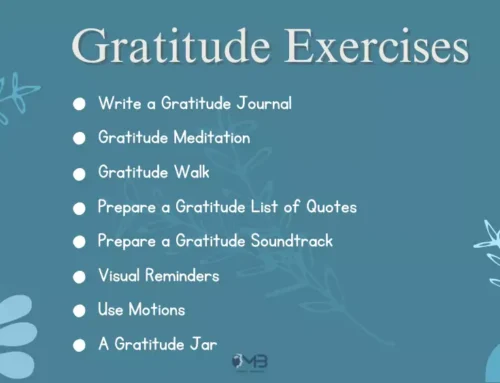
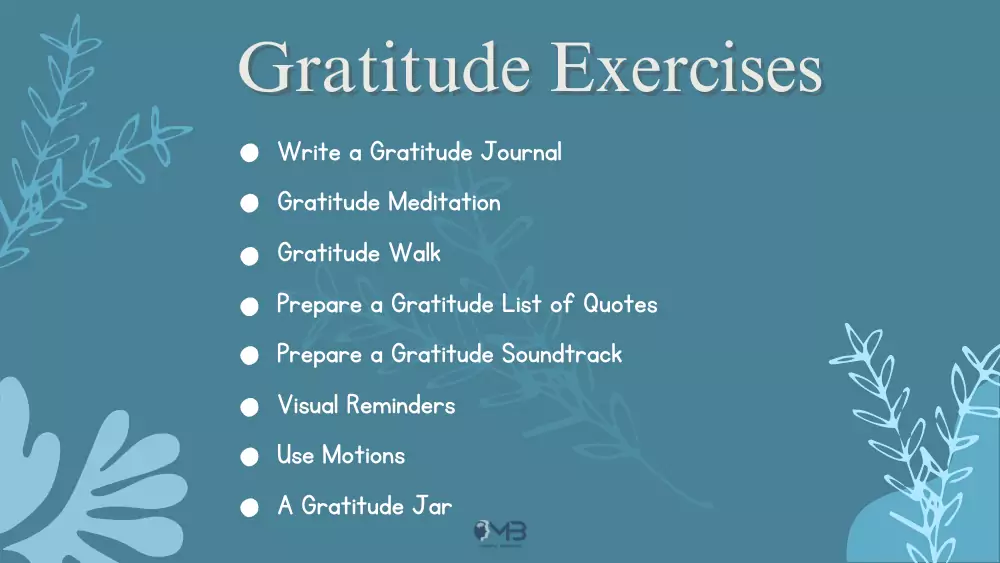
This is one of the simplest and most effective grateful exercise to keep focus on being thankful or grateful. A gratitude journal gives your appreciation somewhere to go. You can write three things you are grateful for each day, or you can write one sentence about a moment that mattered. You can also write down some quotes or positive statements in your journal.
Try prompts like:
- What made today a little easier?
- Who helped me recently?
- What did I enjoy, even briefly?
- What is something I often take for granted?
- What did I learn from today?
3. Say Your Gratitude Out Loud
Gratitude becomes even more meaningful when you express it. Tell someone what you appreciate, and be specific.
Instead of only saying:
“Thanks.”
Try:
“Thank you for checking on me yesterday. I was having a rough day, and it helped more than you knew.”
Specific gratitude feels more real. It tells the other person exactly what mattered.
4. Practice Gratitude Meditation
Gratitude meditation is a quiet way to bring appreciation into the body, not just the mind. Sit comfortably, breathe slowly, and bring one person, moment, or blessing into awareness.
You do not need to force emotion. Just notice what comes up. You might feel warmth, sadness, relief, love, or nothing at first. All of that is okay.
5. Use Gratitude Affirmations Carefully
Gratitude affirmations can help, but only when they feel honest. If your affirmation feels fake, soften it.
Instead of saying:
“Everything in my life is perfect.”
Try:
“Even today, I can notice one thing that supports me.”
That kind of statement is easier to believe, especially during difficult seasons.
6. Create a Gratitude Jar
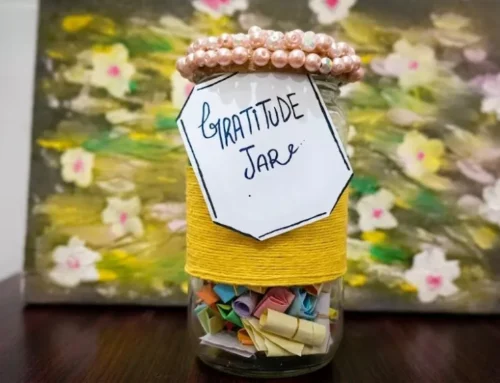
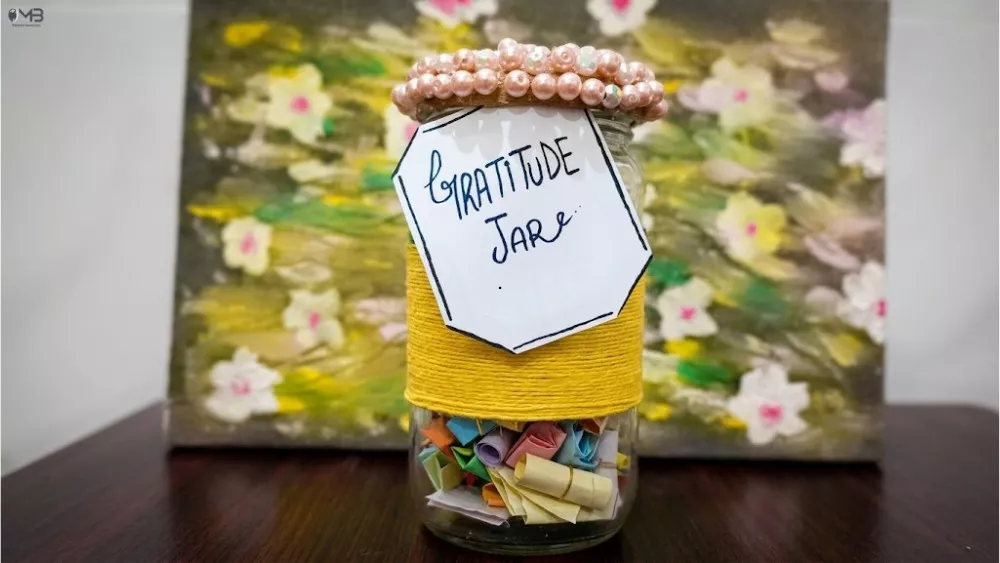
A gratitude jar is a simple visual practice. Whenever something good happens, write it on a small piece of paper and place it in the jar. (Or create a gratitude tree and write down your blessings on each leaf.)
It could be:
- a kind message
- a small win
- a moment of peace
- a funny memory
- a prayer that felt answered
- a day you got through
When you feel low, read a few notes from the jar. It becomes a record of goodness you might otherwise forget.
7. Notice Gratitude in Difficult Seasons
This is the hardest part of gratitude, and also the most meaningful.
When life is painful, do not ask yourself to be thankful for the pain. That can feel unfair and forced. Instead, ask:
- What is helping me cope?
- Who has stayed close?
- What strength am I discovering?
- What small comfort is available today?
- What do I still want to protect in my life?
Gratitude in hard times is not about loving the struggle. It is about noticing the support, courage, or meaning that still exists inside it.
Examples of an Attitude of Gratitude
Sometimes gratitude is easier to understand through examples.
| Situation | Ungrounded Thought | Gratitude-Based Reframe |
|---|---|---|
| You had a stressful workday | “Everything went wrong.” | “Today was hard, but I handled it and I’m grateful I can rest now.” |
| A friend replied late | “They do not care about me.” | “They may be busy. I’m grateful for the people who do show up consistently.” |
| You feel behind in life | “Everyone is doing better than me.” | “I am still growing, and I can appreciate the progress I have made.” |
| You are tired | “I cannot do anything right.” | “My body is asking for rest, and I am grateful I noticed.” |
How to Practice Gratitude Without Toxic Positivity
Toxic positivity says, “Only focus on the good.” Healthy gratitude says, “The hard things are real, and the good things are real too.”
That difference matters.
If gratitude makes you feel guilty for being sad, angry, tired, or disappointed, you may be using it too harshly. Gratitude should not silence your real feelings. It should help you hold them with more compassion.
A healthier phrase is:
“This is difficult, and I can still notice one thing that supports me.”
That is gratitude with honesty.
Daily Gratitude Practice: A Simple 5-Minute Routine
If you want to build an attitude of gratitude, try this simple routine for one week.
- Pause: Sit quietly for one minute.
- Breathe: Take three slow breaths.
- Name: Write three things you appreciate today.
- Feel: Choose one and sit with it for a few seconds.
- Share: Thank one person, even with a short message.
Small practices done consistently are more useful than perfect practices done once.
Gratitude Prompts to Try
Use these prompts when your mind feels blank:
- What is one thing that made today easier?
- Who am I grateful to know?
- What is something my body helped me do today?
- What is one comfort I often overlook?
- What is something I learned recently?
- What made me smile this week?
- What part of my life feels safe right now?
- What challenge taught me something valuable?
- What is one thing I have now that I once wished for?
- What can I appreciate about myself today?
Common Mistakes When Practicing Gratitude
Forcing Yourself to Feel Happy
Gratitude is not the same as happiness. You can be grateful and still feel tired, sad, or uncertain.
Only Being Grateful for Big Things
Small things count. A quiet room, a glass of water, a kind word, or a moment of rest can all be part of gratitude.
Comparing Your Life to Someone Else’s
Gratitude should bring you back to your own life, not make you feel better because someone else has less.
Using Gratitude to Avoid Change
Being grateful does not mean staying in unhealthy situations. You can appreciate what is good and still make needed changes.
FAQs About an Attitude of Gratitude
An attitude of gratitude means regularly noticing and appreciating the good in your life. It is a mindset and practice of thankfulness, even when life is not perfect.
You can develop an attitude of gratitude by writing in a gratitude journal, thanking people directly, noticing small comforts, practicing gratitude meditation, using honest affirmations, and reflecting on what supported you each day.
An attitude of gratitude is important because it helps you notice what is meaningful, supportive, and good in your life. It may also support wellbeing, relationships, emotional balance, and a calmer daily mindset.
No. Gratitude is not the same as positive thinking. Positive thinking often focuses on expecting good outcomes, while gratitude focuses on appreciating what is already present or meaningful.
Yes, gratitude can help during hard times when practiced gently. It does not remove pain, but it can help you notice support, strength, comfort, and meaning while you move through difficulty.
Examples of gratitude include appreciating a friend’s support, being thankful for rest, noticing a peaceful moment, writing down three good things, thanking someone for their kindness, or recognizing progress you have made.
Gratitude can become toxic if it is used to deny pain, silence emotions, or pressure someone to feel happy. Healthy gratitude makes room for both appreciation and honesty.
Final Thoughts
An attitude of gratitude is not about pretending life is easy. It is about noticing what is still good, steady, kind, or meaningful while you live through real human days.
You do not need to feel grateful every second. You only need to return to gratitude often enough that your mind remembers there is more to life than what is missing.
Start small. Name one thing. Thank one person. Write one sentence. Pause for one breath.
Gratitude grows through practice, and over time, that practice can make ordinary life feel a little more awake, a little more grounded, and a little more full.
About the Author: Muhammad Moazzan