
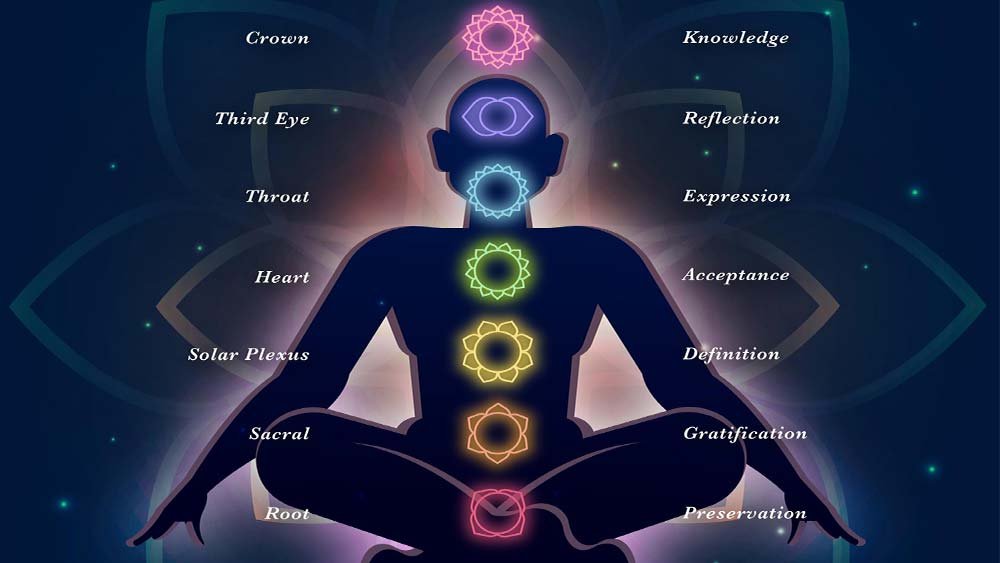
Kundalini yoga is not automatically dangerous. Many people practice it without serious problems. But it can become risky when beginners jump into intense breathing, long meditations, forceful “energy awakening” practices, or advanced techniques without proper guidance.
The concern is not ordinary stretching. The concern is intensity. Kundalini yoga often combines breathwork, chanting, meditation, repetitive movement, and spiritual focus. For some people, that mix can feel grounding. For others, especially those with panic, trauma, sleep problems, high blood pressure, certain medical conditions, or a history of psychosis or mania, it may feel overwhelming.
Quick Answer
Why Is Kundalini Yoga Dangerous?
Kundalini yoga may be dangerous for some people because it can involve rapid breathing, breath retention, long meditation, intense concentration, chanting, repetitive movement, and strong emotional or spiritual experiences. These practices may cause dizziness, anxiety, panic, sleep disruption, emotional overwhelm, muscle strain, or psychological distress in vulnerable people. Beginners should start slowly, avoid forceful breathwork, learn from a qualified teacher, and stop if symptoms feel intense or unsafe.
Safety note: This article is for general education only. It is not medical or mental-health advice. If you have a history of seizures, uncontrolled high blood pressure, heart disease, panic attacks, trauma, psychosis, mania, pregnancy, serious breathing issues, or major physical injuries, speak with a qualified health professional before trying intense breathwork or Kundalini yoga.
What Is Kundalini Yoga?

Kundalini yoga is a style of yoga that combines movement, breathwork, chanting, meditation, hand gestures, and spiritual awareness practices. It is often described as the “yoga of awareness” because it focuses on awakening energy, attention, and consciousness.
In traditional yogic language, Kundalini is described as dormant energy at the base of the spine. In a modern safety-focused explanation, it is better to think of Kundalini yoga as a high-intensity mind-body practice that can affect breathing, attention, emotions, and the nervous system.
That distinction matters. You do not have to accept every spiritual claim to understand the practical safety issue: intense breathing and meditation can affect people differently.
Is Kundalini Yoga Really Dangerous?
Kundalini yoga is not dangerous for everyone. Some research suggests Kundalini yoga may help with anxiety symptoms, although it should not be treated as a replacement for evidence-based care. A randomized clinical trial of 226 adults with generalized anxiety disorder found that Kundalini yoga was more effective than stress education, but it was not shown to be as effective as cognitive behavioral therapy. Source
So the honest answer is balanced: Kundalini yoga may help some people, but it is not risk-free. NCCIH notes that yoga is generally safe when practiced properly, but injuries such as sprains and strains can occur, and some conditions may require modifications. Source
The danger usually comes from doing too much too soon, practicing without guidance, forcing breathing techniques, ignoring mental-health history, or treating unusual experiences as something to chase rather than something to handle carefully.
Why Kundalini Yoga Can Feel Risky
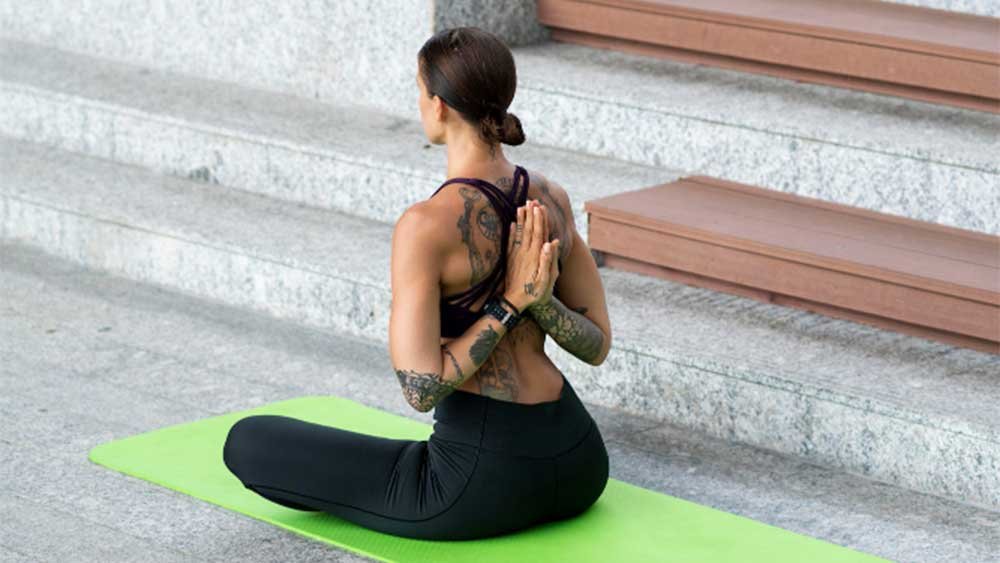
Kundalini yoga is different from a gentle stretching class. A session may include fast breathing, repeated movements, mantra chanting, focused visualization, long stillness, and emotional release. That can be powerful. It can also be too much for some nervous systems.
Here are the main risks to understand.
1. Rapid Breathing Can Cause Dizziness or Panic
Some Kundalini practices use rapid breathing techniques, including Breath of Fire. Breath of Fire is a quick, rhythmic breathing technique often associated with Kundalini yoga.
Fast breathing may feel energizing for some people, but it can also cause dizziness, tingling, lightheadedness, or panic-like sensations, especially in beginners. 3HO, a Kundalini yoga organization, lists contraindications for Breath of Fire including pregnancy, dizziness, panic, and uncontrolled high blood pressure.
If breathwork makes you feel unstable, stop. Sit normally. Breathe naturally. There is no benefit in pushing through dizziness.
2. It May Intensify Anxiety in Some People
Not everyone feels calm during meditation or breathwork. Some people become more aware of body sensations, thoughts, memories, or fear. For a person who already struggles with anxiety or panic, intense internal focus can sometimes feel overwhelming.
This does not mean meditation is bad. It means the dose and method matter. Short, gentle practices may feel grounding, while long or forceful practices may be too activating.
3. It Can Disturb Sleep if Practiced Too Intensely
Some people report feeling highly energized after Kundalini practices. That may be welcome in the morning, but it can become a problem if practice leaves someone wired at night.
If Kundalini yoga makes sleep worse, reduce the intensity, avoid evening practice, skip rapid breathwork, and use calmer grounding practices instead.
4. It May Bring Up Strong Emotions
Kundalini yoga often includes chanting, meditation, breathwork, and body awareness. These can sometimes bring up sadness, fear, grief, anger, or old memories.
A small emotional release can be normal in many mind-body practices. But if the emotion feels frightening, destabilizing, or hard to manage afterward, that is a signal to slow down and seek support.
5. Meditation Can Have Adverse Effects for Some People
Meditation is often presented as harmless, but research shows that adverse experiences can occur. A 2020 systematic review on meditation-related adverse events reported that some studies included experiences such as anxiety, fear, depersonalization, dissociation, and psychotic or delusional symptoms. Source
This does not mean most people will experience severe effects. It does mean articles about intense meditation should avoid pretending that “more is always better.” For some people, less is safer.
6. Advanced or Repetitive Poses Can Cause Strain
Kundalini yoga may include repeated movements, seated postures, arm holds, spinal movements, or poses that are held longer than expected. If done with poor alignment or too much force, this can strain the back, neck, knees, wrists, or shoulders.
NCCIH notes that yoga injuries can happen, and that some health conditions may call for modifications. Source
Pain is not purification. Pain is feedback. If a pose hurts, change it or stop.
More About Yoga:
Kundalini Yoga Risks at a Glance
| Possible Risk | Why It May Happen | What to Do |
|---|---|---|
| Dizziness or lightheadedness | Rapid breathing or breath retention | Stop, breathe normally, sit or lie down |
| Panic or anxiety | Intense breathwork or inward focus | Use slower breathing and shorter sessions |
| Sleep disruption | Overstimulating practice, especially at night | Practice earlier and reduce intensity |
| Emotional overwhelm | Strong memories, grief, fear, or body sensations | Pause practice and seek support if needed |
| Muscle or joint strain | Repetitive movements or poor alignment | Modify poses and work with a qualified teacher |
| Psychological distress | Intensive meditation in vulnerable individuals | Avoid intense practice without professional guidance |
Who Should Be Extra Careful With Kundalini Yoga?
Some people should be especially careful with Kundalini yoga, particularly the breathwork and long meditation parts.
- People with panic attacks or severe anxiety
- People with a history of psychosis, mania, or dissociation
- People with trauma who feel overwhelmed by inward-focused practices
- People with uncontrolled high blood pressure
- People with heart disease or serious breathing problems
- People with seizure disorders
- Pregnant people, unless guided by a qualified prenatal professional
- People with recent injuries, spinal problems, or balance concerns
For these groups, gentle yoga, simple stretching, slow breathing, or trauma-informed mindfulness may be a safer starting point than intense Kundalini practices.
Warning Signs to Stop Kundalini Yoga
Stop the practice and return to normal breathing if you notice:
- dizziness
- chest pain
- faintness
- shortness of breath
- racing panic
- disorientation
- feeling detached from reality
- severe headache
- unusual agitation
- sleep loss that continues after practice
- pain in the neck, back, knees, wrists, or shoulders
If symptoms feel severe, unusual, or do not settle, seek medical or mental-health support.
Is Kundalini Awakening Dangerous?
“Kundalini awakening” is usually described in spiritual terms as a powerful shift in energy or awareness. Some people describe it as peaceful or meaningful. Others describe intense body sensations, emotional swings, fear, insomnia, or feeling disconnected from ordinary life.
From a safety perspective, the important point is this: do not chase extreme experiences. If a practice makes you feel unstable, frightened, unable to sleep, or disconnected from reality, treat that as a warning sign, not a spiritual badge.
A grounded practice should make daily life more stable, not less stable.
How to Practice Kundalini Yoga More Safely
If you still want to try Kundalini yoga, start small and make safety part of the practice.
- Work with a qualified teacher. Avoid advanced practices from random videos.
- Start with short sessions. Five to ten minutes is enough for a beginner.
- Skip intense breathwork at first. Begin with natural breathing.
- Avoid practicing when sleep-deprived or emotionally overwhelmed.
- Do not force poses, breath holds, or chanting.
- Stay grounded afterward. Eat, walk, journal, or talk to someone calm.
- Stop if symptoms feel intense. You do not need to push through.
If you are new to yoga, it may be better to begin with simpler practices first. Our guide to kids yoga poses shows gentle, beginner-friendly movement cues, while our guide to advantages and disadvantages of yoga gives a broader view of yoga’s benefits and limits.
Safer Alternatives for Beginners
If Kundalini yoga feels too intense, you do not have to quit yoga entirely. Try gentler options first.
| Alternative | Best For | Why It May Feel Safer |
|---|---|---|
| Gentle Hatha Yoga | Beginners and flexibility | Slower movement and simpler poses |
| Restorative Yoga | Rest and nervous-system calming | Uses props and long supported rest |
| Yin Yoga | Slow stretching | Quiet practice, but should still be gentle |
| Simple Breath Awareness | Calm and focus | No rapid breathing or breath holding |
| Gratitude Meditation | Emotional grounding | Uses simple reflection instead of energy awakening |
Common Myths About Kundalini Yoga

Myth 1: Kundalini Yoga Is Always Dangerous
Not true. Many people practice Kundalini yoga without serious problems. The risk increases when practice becomes too intense, too long, too forceful, or unsuitable for the person’s health and mental state.
Myth 2: Any Strange Sensation Means Spiritual Progress
Not always. Tingling, dizziness, panic, shaking, or sleep disruption can be signs of overstimulation. Do not treat every intense sensation as progress.
Myth 3: A Beginner Can Learn Everything From Videos
Videos can introduce basic ideas, but intense breathing and advanced practices are safer with a qualified teacher who can watch your response and modify the practice.
Myth 4: More Practice Is Always Better
More is not always better. With Kundalini yoga, the safest approach is often shorter, slower, and more grounded.
FAQs About Why Kundalini Yoga Is Dangerous
Kundalini yoga is considered dangerous by some people because it can include rapid breathing, breath retention, intense meditation, chanting, repetitive movements, and strong emotional or spiritual experiences. These may overwhelm beginners or vulnerable individuals if practiced too forcefully.
Kundalini yoga can be risky for beginners if they start with intense breathwork, long sessions, or advanced practices without guidance. Beginners should start slowly, avoid forceful breathing, and learn from a qualified teacher.
Kundalini yoga may trigger anxiety or panic-like sensations in some people, especially when rapid breathing or intense inward focus creates dizziness, tingling, or emotional overwhelm. Anyone with panic attacks should approach it carefully.
Severe psychological reactions have been reported in meditation-related literature, including psychotic or delusional symptoms in some studies, but this does not mean Kundalini yoga commonly causes psychosis. People with a history of psychosis, mania, dissociation, or severe mental-health symptoms should avoid intense practices unless guided by qualified professionals.
Breath of Fire can be risky for some people because it is a rapid breathing practice. People who are pregnant or experiencing dizziness, panic, or uncontrolled high blood pressure are commonly advised to avoid it or seek professional guidance.
People with uncontrolled high blood pressure, heart disease, seizure disorders, serious breathing issues, severe panic attacks, psychosis history, mania history, pregnancy, or recent injuries should avoid intense Kundalini practices unless cleared by a qualified professional.
A safer way to start is to work with a qualified teacher, begin with short sessions, avoid intense breathwork at first, use natural breathing, and stop immediately if you feel dizzy, panicked, disoriented, or physically uncomfortable.
Kundalini yoga is not automatically bad. It may be meaningful or helpful for some people. The problem is not the practice itself, but unsafe intensity, poor guidance, unrealistic claims, and ignoring physical or mental-health warning signs.
Final Thoughts
Kundalini yoga is powerful, but powerful does not always mean better. For some people, it may feel meaningful, energizing, and grounding. For others, it may feel too intense, especially when breathwork, meditation, and spiritual focus are pushed too quickly.
The safest approach is simple: respect the practice, respect your nervous system, and do not chase extreme experiences. Start slowly. Learn from someone qualified. Avoid forceful breathing if you are unsure. Stop when your body or mind says stop.
Kundalini yoga should make life feel more stable, not less. If it leaves you frightened, sleepless, dizzy, disconnected, or emotionally overwhelmed, slow down and get support.
About the Author: Jessica Erik