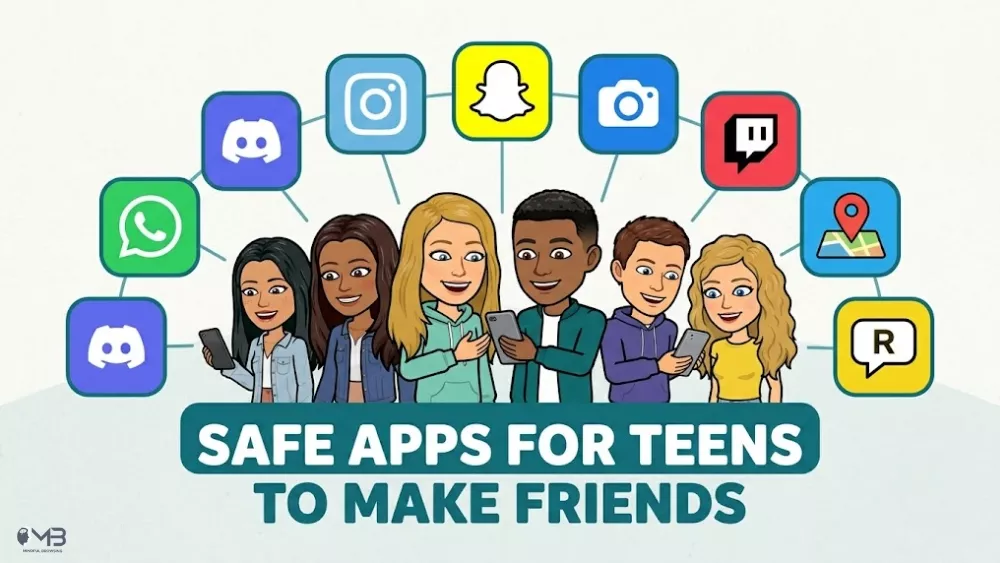
Making friends as a teen can feel strange sometimes. You may have people around you at school, but still feel like no one really shares your interests. Or maybe you moved to a new place, changed schools, became more introverted, or simply feel more comfortable starting conversations online.
Friendship apps and social platforms can help, but they need to be used carefully. The best app is not always the one with the most users. For teens, the better question is: does this app help you meet people safely, slowly, and around real interests?
Quick Take: What Are the Best Apps for Teens to Make Friends?
The best apps for teens to make friends are usually interest-based platforms like Discord, Roblox, Minecraft, Twitch, Instagram, and BeReal, because they let teens connect around games, hobbies, school life, creativity, and shared communities. Teens should avoid adult dating-style apps, random stranger-chat apps, and platforms that push private messaging too quickly. A good teen friendship app should have privacy settings, blocking and reporting tools, age-appropriate spaces, moderation, and a reason to connect beyond appearance or swiping.
Before You Use Friendship Apps as a Teen
Online friendships can be real. A kind message, a shared game, a funny group chat, or a community built around the same hobby can genuinely make someone feel less alone. But online friendship also needs boundaries.
Before joining any app, remember this:
- Do not share your home address, school name, phone number, live location, or personal documents.
- Keep your account private when possible.
- Do not move a conversation to another app too quickly.
- Never send private photos to someone you only know online.
- Use block and report tools early. You do not owe anyone unlimited access to you.
- Tell a trusted adult if someone pressures you, scares you, asks for secrets, or wants to meet privately.
The FTC encourages parents and caregivers to talk with kids about privacy and safety online, and NCMEC’s NetSmartz program also focuses on teaching children to make safer choices on and offline. :contentReference[oaicite:4]{index=4}
Best Apps for Teens to Make Friends Safely
| App | Best For | Safety Level | Best Age Fit |
|---|---|---|---|
| Discord | Gaming, study groups, hobbies, fandoms, school communities | Medium, depends heavily on servers | 13+ |
| Roblox | Shared games and creative play | Medium, use privacy settings | 13+ with guidance |
| Minecraft | Collaborative building and known friend groups | Medium to high on trusted servers | 13+ with guidance |
| BeReal | Keeping up with existing friends | Higher when limited to real friends | 13+ |
| School friends, interests, creators, group chats | Medium, use private teen account settings | 13+ | |
| Twitch | Gaming and creator communities | Medium, avoid private oversharing | 13+ |
| Staying close to known friends and classmates | Higher with known contacts only | 13+ or local age requirement | |
| Snapchat | Close friend communication | Medium, location must be controlled | 13+ |
| Interest communities and advice forums | Medium to low for younger teens | Older teens with caution | |
| School or club apps | Classmates, teams, clubs, local activities | Higher when moderated | Best overall for real-life friendships |
1. Discord

Best for: gaming friends, study groups, fandoms, hobby communities, school clubs
Discord is one of the most useful apps for teens who want to make friends around shared interests instead of random profiles. A teen who likes gaming, anime, coding, music, writing, art, language learning, or school clubs can find communities where people are already talking about the same things.
That is what makes Discord powerful. You are not just swiping on faces. You are joining a room where the conversation already has a reason to exist.
But Discord is only as safe as the servers you join. A small, well-moderated school club server can feel completely different from a huge public server with strangers from everywhere. Discord has a Safety Library and teen-related safety resources, but teens still need to choose communities carefully. Discord also describes teen users in the 13–17 age range in its teen safety materials.
Safety tip: Join servers connected to real interests, trusted creators, school clubs, or known communities. Avoid servers that push private DMs, adult content, or “meet me” behavior.
2. Roblox
Best for: shared games, creative worlds, casual social play
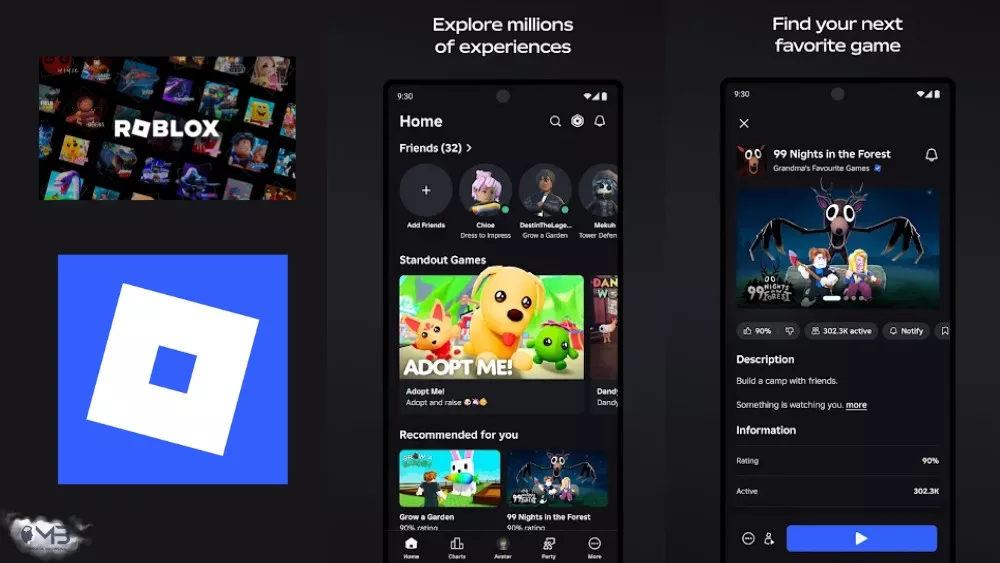
Roblox can help teens make friends because friendship starts with doing something together. You play, build, explore, compete, or create inside the same world. That feels more natural than opening a blank chat with a stranger.
For teens who feel shy, shared play can make conversation easier. You do not have to start with “tell me about yourself.” You can start with a game, a challenge, or a creative project.
Still, Roblox needs boundaries. Public chats, friend requests, usernames, and private conversations should be handled carefully. Parents and teens should review privacy settings, chat settings, and spending controls before using it socially.
Safety tip: Keep chats limited, avoid sharing personal details, and stay inside games or groups that feel age-appropriate and moderated.
3. Minecraft
Best for: building together, small friend groups, creative collaboration
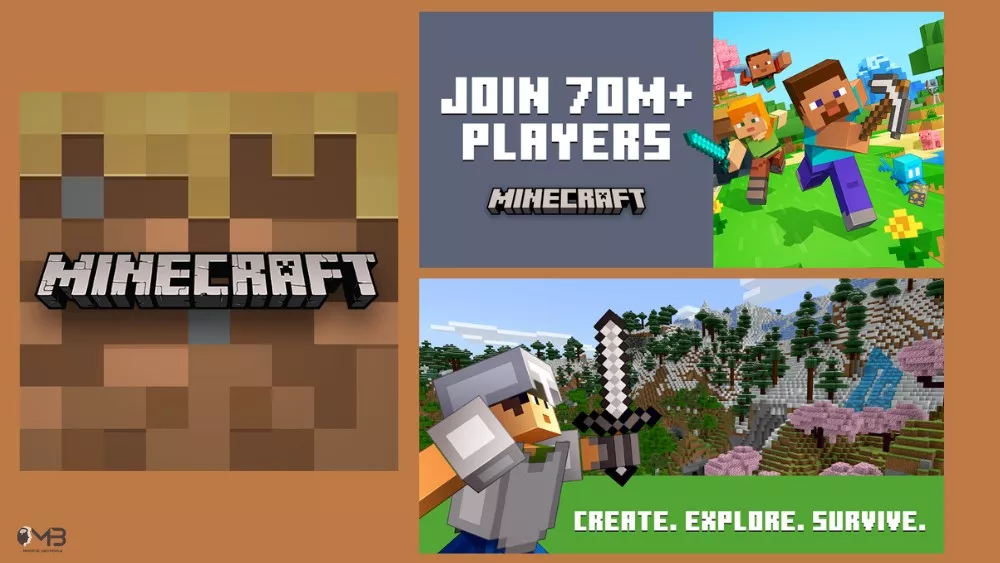
Minecraft is not usually described as a friendship app, but for many teens, it works better than one. A shared server gives people something to build together. That can turn into real friendship over time.
The safest version is a private or moderated server with classmates, cousins, school friends, or a trusted community. Public servers can be fun, but they vary a lot in moderation and behavior.
Minecraft is especially good for quieter teens because conversation can happen naturally while doing something. You can build a house, plan a world, collect resources, or explore without forcing constant small talk.
Safety tip: Use trusted servers, avoid giving out personal information, and be careful with voice chat or external Discord links from strangers.
4. BeReal
Best for: staying closer to real friends
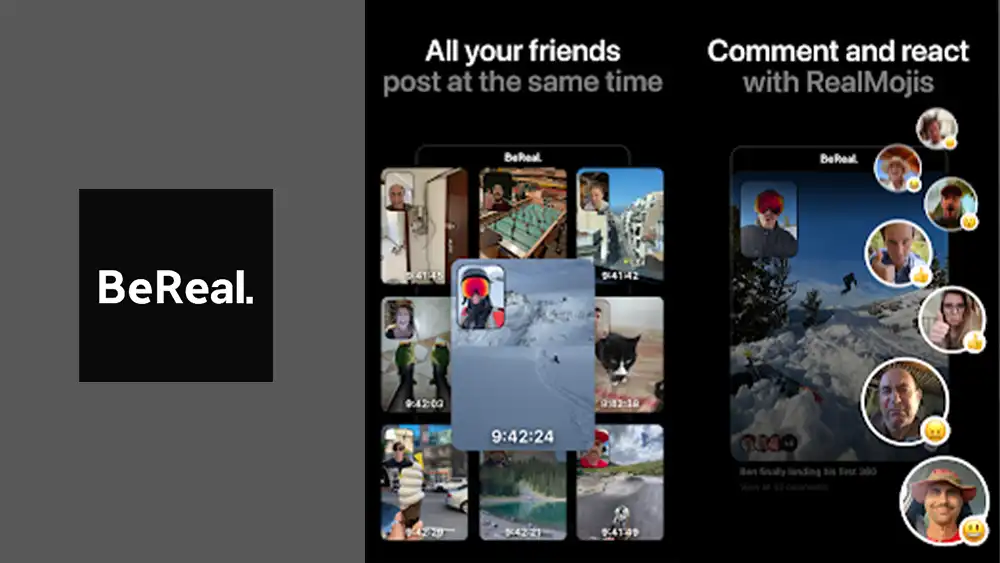
BeReal is better for strengthening existing friendships than making random new ones. The app encourages people to post everyday moments instead of perfectly polished content. That can make it feel more relaxed than platforms built around likes, filters, and follower counts.
For teens, BeReal works best when the friend list stays small and real. It is not the best app for meeting strangers. It is better for feeling connected to classmates, cousins, teammates, or friends you already know.
Safety tip: BeReal is safe for kids. Just for the safer side, do not post anything that reveals your home, school, street, daily routine, or live location.
5. Instagram
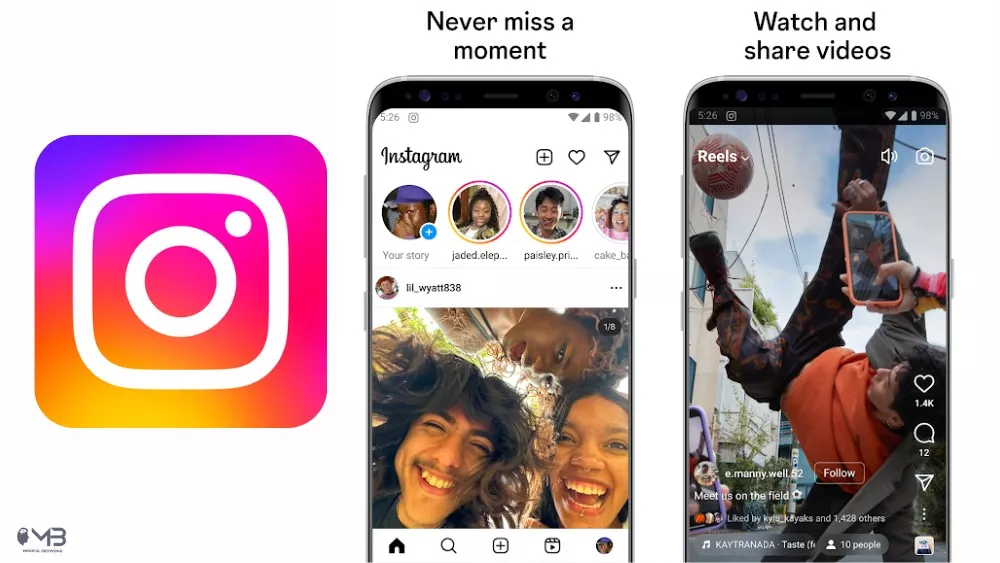
Best for: school friends, interest pages, creators, hobbies, group chats
Instagram can help teens connect around art, fashion, sports, books, music, photography, school life, and shared interests. It is also where many teens already keep up with people they know.
The risk is that Instagram can quickly move from friendship to comparison. A teen may log in to message friends and leave feeling judged, excluded, or not good enough. That is why privacy settings and the following choices matter.
Instagram has introduced teen account protections and stricter defaults for users under 18, including private-by-default style settings and limits around contact and sensitive content. Still, independent reports and public debate show teen safety on major social platforms remains a serious concern, so teens should not rely only on platform settings.
Safety tip: Keep the account private, limit DMs from strangers, hide location clues, and follow people who make your mind feel calmer, not worse.
6. Twitch
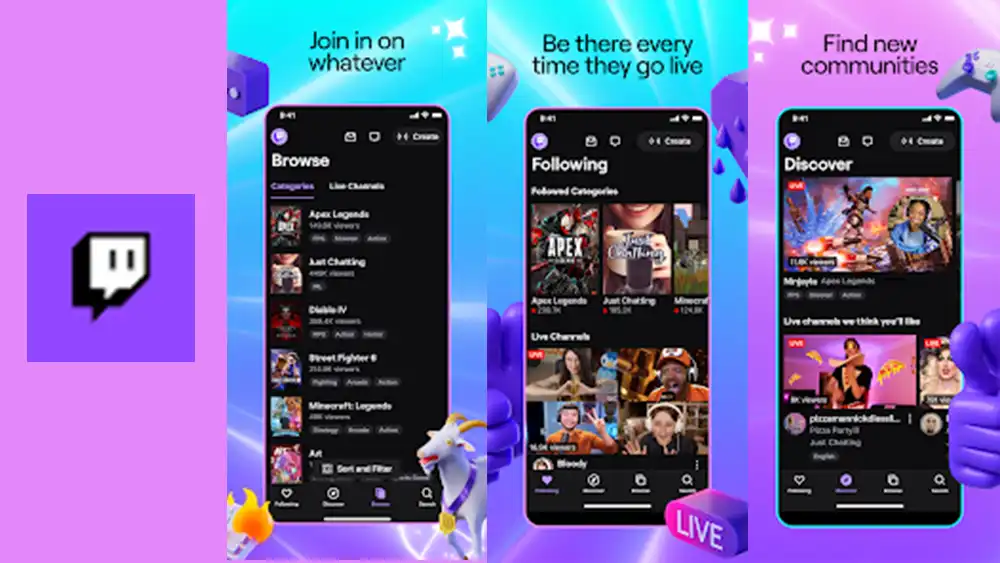
Best for: gaming communities, livestream chats, shared interests
Twitch is not a classic friend-making app, but it can help teens feel part of a community. If you follow a streamer who plays the same games you love, the chat can become a place where familiar usernames appear again and again.
The safer way to use Twitch socially is to treat it as a public community space, not a private friendship shortcut. Chat can be fun, but private messages, off-platform invites, and pressure to share personal details should be avoided.
Safety tip: Stay in moderated channels, avoid sharing your age, school, or location, and do not move conversations into private apps with people you only know from chat.
7. WhatsApp
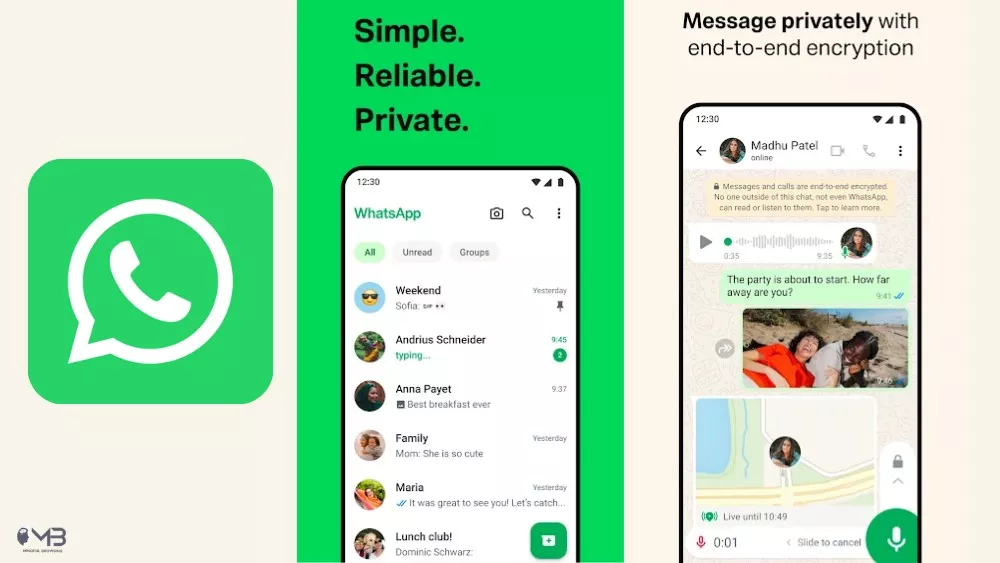
Best for: staying close to real-life friends, classmates, cousins, teams, and study groups
WhatsApp is not designed for meeting strangers, and that is exactly why it can be safer for teens. It works best when the people in the chat already know each other from school, family, clubs, sports, or local activities.
For teens, WhatsApp can support friendships through group chats, homework discussions, voice notes, birthday planning, and everyday check-ins. It is not exciting in a viral way, but it can help real friendships stay alive.
Safety tip: Do not join unknown group links, turn off public profile details where possible, and avoid sharing your phone number with people you only know online.
8. Snapchat
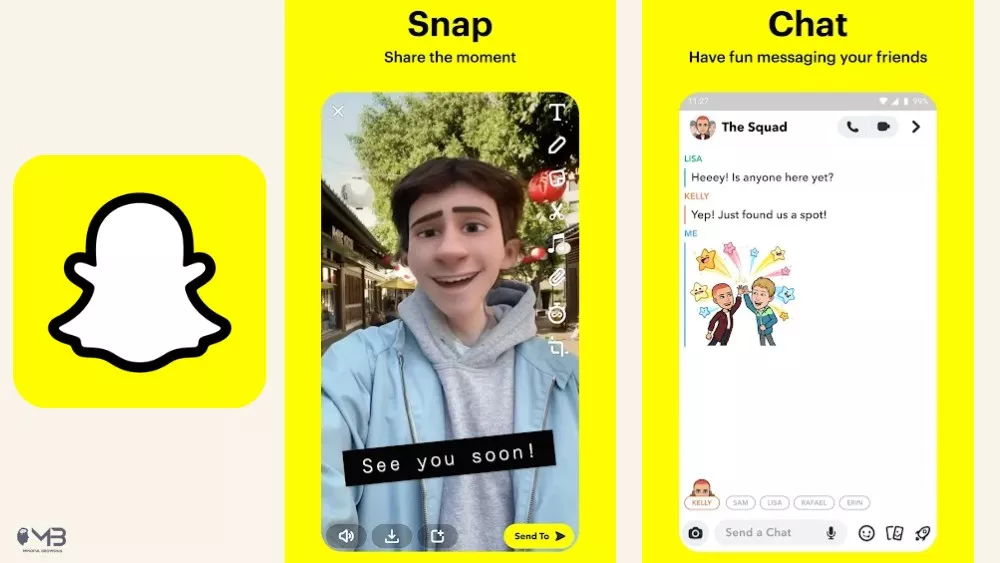
Best for: close friends and quick daily communication
Snapchat is popular because it feels casual. Teens use it for quick messages, photos, streaks, stories, and small everyday updates. It can help friendships feel active, especially when friends do not see each other every day.
But Snapchat needs careful location and privacy settings. Snap Map, screenshots, disappearing messages, and quick photo sharing can create pressure if teens are not thoughtful.
Safety tip: Keep location sharing off or limited to trusted friends only. Do not send anything you would feel unsafe seeing again later.
9. Reddit
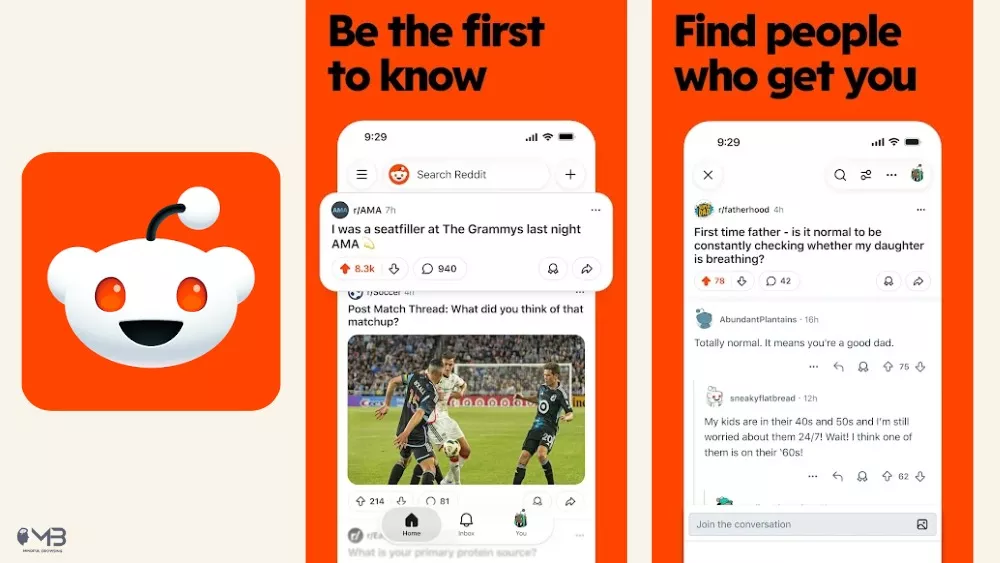
Best for: older teens with specific interests
Reddit can be useful for teens who want to talk about books, games, hobbies, studying, mental health, art, tech, or niche interests. The best part is that conversations are usually organized by topic, not appearance.
But Reddit is not ideal for younger teens. Some communities are helpful and kind. Others are harsh, adult content, or poorly moderated. It is better for older teens who can judge communities carefully and avoid private oversharing.
Safety tip: Stay in well-moderated communities, avoid private DMs from strangers, and do not use your real name, school, or location in your profile.
10. School, Club, or Activity Apps
Best for: real-life friendships that start safely
The safest friendship apps for teens are often not famous social apps. They are school apps, class group chats, team apps, library programs, youth club platforms, hobby groups, or community activity apps where people already share a real-world connection.
This matters because the strongest teen friendships often grow from repeated, low-pressure contact. You see the same people in a club, group, practice, class, or project. The app simply helps the friendship continue between meetings.
Safety tip: Prefer communities connected to real activities, trusted adults, schools, clubs, or known groups.
Apps Teens Should Avoid or Use Only With Serious Caution
Some apps may look like friendship apps, but they are not the best fit for teens, especially younger teens.
Yubo
Yubo should be removed from a teen friendship app list because it became an 18+ platform in November 2025. It may still be known as a social discovery app, but it is no longer appropriate to present it as an option for 13–17-year-olds.
Bumble or Bumble BFF
Bumble should not be recommended for 14-year-olds. Even when someone is using friendship mode, Bumble is strongly associated with dating and adult social matching.
Kik
Kik is a high-caution app for teens because username-based messaging and stranger contact can create safety concerns.
Random stranger-chat apps
Any app that matches teens with strangers mainly for private chat should be treated carefully. If there is no clear moderation, age separation, reporting system, and privacy control, it does not belong in a safety-first teen list.
How to Choose a Safe Friendship App as a Teen
Before downloading an app to make friends, ask these questions:
- Is the app allowed for my age?
- Can I keep my profile private?
- Can strangers message me directly?
- Can I block and report easily?
- Does the app connect people by interests, or mostly by appearance?
- Does it push me toward private chat too quickly?
- Would I feel comfortable if a parent or trusted adult knew I used it?
A good friendship app should make connection feel safer, not more pressured.
Safety Rules for Making Friends Online
These rules may sound simple, but they protect you from a lot of problems:
- Use a username that does not reveal your full name.
- Do not share your school, address, phone number, or live location.
- Keep private accounts private.
- Be careful with photos that show uniforms, street signs, house numbers, or daily routines.
- Do not send money, gift cards, passwords, codes, or personal photos.
- Do not meet an online friend alone.
- Talk to a trusted adult if someone makes you uncomfortable.
- Block early. You do not need to be polite to someone who ignores your boundaries.
For Parents: How to Support Teens Without Spying
Parents do not need to turn every online friendship into an interrogation. Teens are more likely to talk when they do not feel instantly judged.
A better approach is to stay curious:
- Ask which apps they use and why they like them.
- Talk about privacy settings together.
- Agree on rules for DMs, location sharing, and meeting online friends.
- Encourage interest-based communities instead of random stranger chat.
- Let your teen know they can come to you without immediately losing every device.
Online safety guidance often points back to the same idea: teens need practical tools, open conversations, and trusted adults they can talk to when something feels wrong.
Are Friendship Apps Good for Shy or Introverted Teens?
They can be, if used carefully.
For a shy teen who always thinks why they can’t make friends easily, a friendship app may feel easier to start with a shared game, fandom, book, class group, or creative server than to walk up to someone at school. Online spaces can give teens a softer place to practice conversation.
But apps should not become the only place a teen feels able to connect. The goal is not to hide from real life. The goal is to build confidence, find shared interests, and slowly make friendship feel less scary.
What Makes an Online Friend a Good Friend?
An online friend should still show the same basic qualities as any good friend. They should respect your boundaries, speak kindly, not pressure you, not ask for private information, and not make you feel guilty for saying no.
If someone only wants secrets, photos, money, attention, or constant replies, that is not friendship. That is pressure.
FAQs About Apps for Teens to Make Friends
The best app depends on the teen’s age, interests, and safety needs. Discord can be good for moderated interest communities, BeReal is better for existing friends, and Roblox or Minecraft can help teens connect through shared play. The safest option is usually an app connected to real clubs, school groups, sports, or trusted communities.
Friendship apps can be safe when they have privacy settings, reporting tools, age-appropriate spaces, and moderation. They become risky when they push random stranger chats, private messaging, live location, appearance-based matching, or adult-style social discovery
Some platforms allow users aged 13 and older, but allowed does not always mean ideal. Younger teens should stick to private accounts, known friends, moderated communities, and parent-supported settings.
No. Yubo became an 18+ platform in November 2025, so it should not be recommended as a friendship app for teens under 18.
Bumble BFF should not be recommended for minors. Bumble is an adult social and dating-style platform, even though it includes friendship features.
Teens should avoid adult dating apps, random stranger-chat apps, apps with weak moderation, and any platform that pressures users to move quickly into private messages, photo sharing, or offline meetups.
Teens can make online friends more safely by joining interest-based communities, keeping accounts private, avoiding personal details, using block and report tools, staying away from private adult conversations, and talking to a trusted adult when something feels wrong.
Teens should not meet online friends alone. If a meeting ever happens, it should involve a parent or trusted adult, take place in a public setting, and only happen after identity and safety have been carefully checked.
Final Thoughts
Apps can help teens make friends, but the right app should make connection feel safer, not faster. The goal is not to collect strangers. The goal is to find people who share your interests, respect your boundaries, and make you feel more like yourself.
Discord, Roblox, Minecraft, BeReal, Instagram, Twitch, WhatsApp, Snapchat, Reddit, and school or club apps can all support friendship in different ways. But none of them replaces good judgment, privacy settings, and trusted adults.
The best online friendships grow slowly. They start with shared interests, stay respectful, and never ask you to ignore your own safety.
Note: While these apps are great for making friends, staying safe online is equally important. If any app or website seems sketchy, block it immediately. Do not share any personal or financial information, and always trust your instincts when something feels off. Being careful will help your online interactions remain positive, safe, and stress-free.
About the Author: Muhammad Moazzan